Valorant's Six-Year Journey: Did Riot Deliver on Its Ambitious 2020 Character and Map Plans?
Valorant avoided content drought by releasing new agents every six months, reshaping the meta with each addition.
When Riot Games first lifted the curtain on Valorant way back in 2020, the hype was electric. A tactical shooter blending crisp gunplay with signature agent abilities? It sounded like a dream cocktail of Counter-Strike and Overwatch, and the gaming world immediately began debating whether this newcomer could dethrone the giants. But hidden beneath the flashy gameplay trailers and beta key giveaways was a quieter, more strategic conversation – how often would Riot actually add new agents and maps? The developer’s early comments about avoiding the dreaded content drought were reassuring, but six years later, have those promises held up? Let’s dive into what was said then, and what actually happened in the years since.
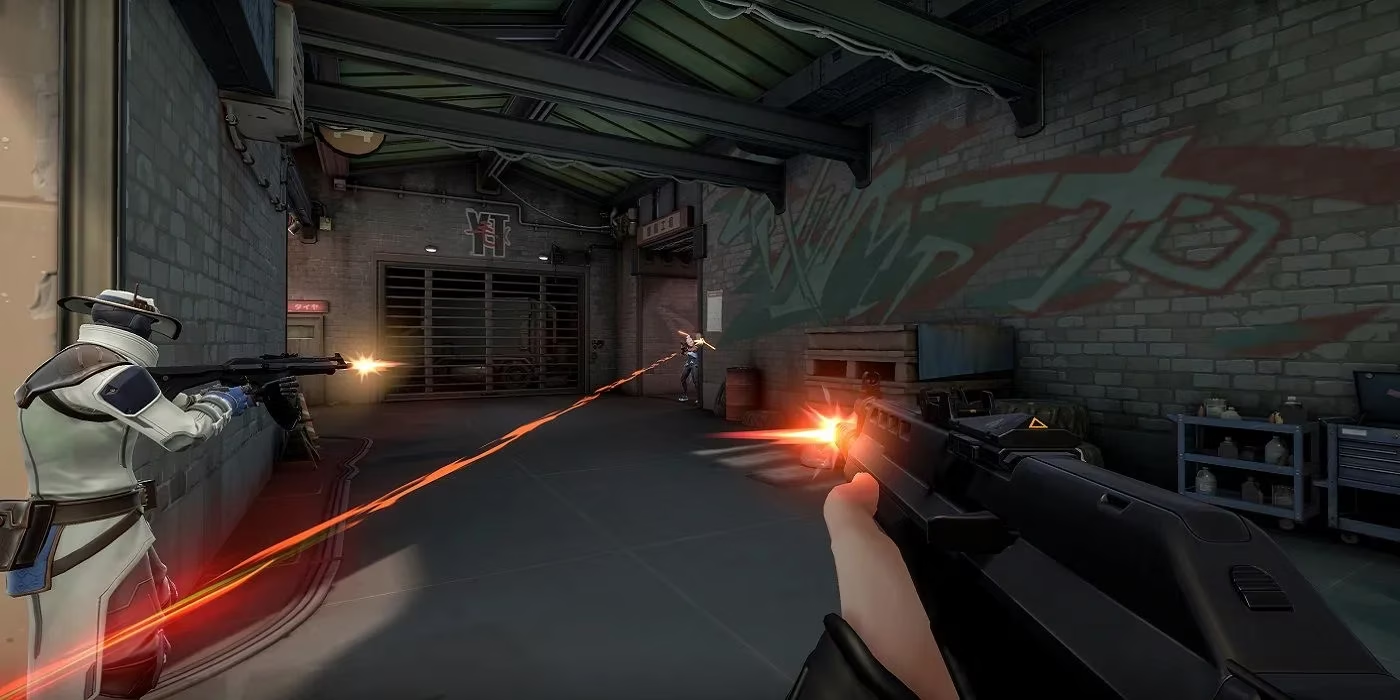
Back in March 2020, Valorant producer John Goscicki told Polygon that players probably wouldn’t have to wait a full year for a new character. He stressed that each new agent “changes the way you’ll see and play the game,” and that the team wasn’t about to simply “add a character for the sake of adding a character.” That philosophy sounded noble, but the shooter genre is littered with projects that promised regular, meaningful updates and then stumbled. Did Riot actually walk the walk? 💡
Flash forward to mid-2026, and the answer is a resounding yes. Since launch, Valorant has welcomed more than a dozen new agents into its universe, maintaining a rhythm of roughly one new face every six months. The initial lineup – classics like Viper with her poison clouds, Phoenix and his flashy fireballs – set the bar high, but each subsequent release genuinely shifted the meta. Think of Astra’s cosmic smokes that demanded a whole new level of map awareness, or Gekko’s playful creature abilities that blended aggressive entry fragging with adorable chaos. These weren’t just palette swaps; they forced players to rethink everything from agent composition to default setups. The cadence wasn’t always perfect – occasional delays crept in around major esports events or global challenges – but the community never suffered the 12-month-plus silence that plagued some competitors.
Riot also learned a crucial lesson from the industry’s past missteps, particularly Blizzard’s infamous Overwatch Sombra ARG. That prolonged tease, meant to be a fun community puzzle, turned into months of frustration when fans cracked the clues far faster than expected, leaving a painful gap before the hero’s actual reveal. How did Valorant avoid this trap? By embedding agent reveals directly into the game’s live service storytelling. Instead of cryptic external puzzles, Riot uses in-game cinematics, battle pass lore items, and animated shorts dropped right when the agent releases. The transition from teaser to playable character is measured in weeks, not quarters. Did the community ever feel strung along? Rarely, and even when a reveal felt slow, the steady drumbeat of map updates and balance patches kept spirits high.
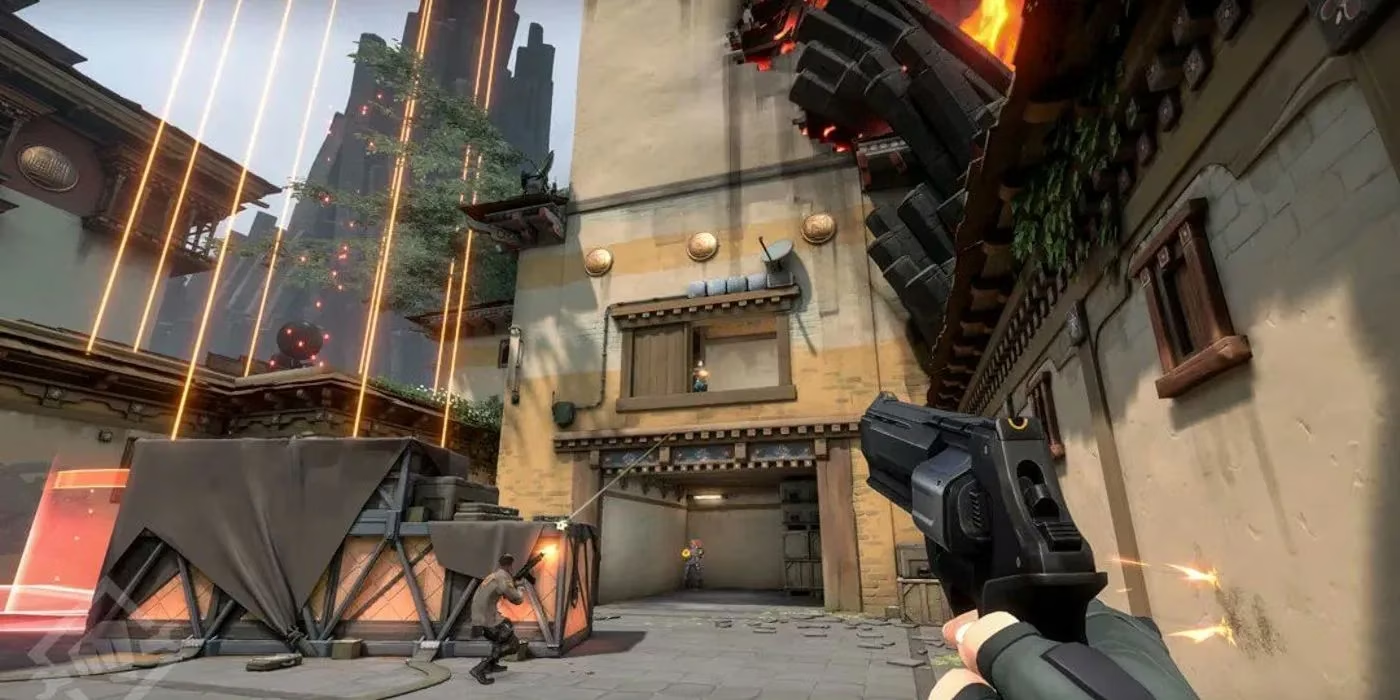
Speaking of maps, senior game designer Salvatore Garozzo had originally floated a window of “six months to 12 months” for new battlegrounds, with an openness to speed up if players clamored. In practice, Valorant’s map growth has been more measured. The game launched with four maps, and by 2026 the pool has expanded to ten permanent arenas, plus a rotating selection of LTMs and special event spaces. Early on, Riot quickly added Ascent and Icebox to address the call for more variety, but soon shifted focus. The community didn’t necessarily need a flood of new maps; they needed great maps that worked for both ranked grinders and pro play. That tension – pleasing pros who earn a living in the VCT while keeping casual weekend warriors entertained – is exactly what Riot predicted in 2020. It became a delicate balancing act. Instead of just dropping a new map every six months, Riot invested in reworking existing ones (Split, anyone?) and carefully limiting the active competitive map pool to ensure teams could master every corner. The result? A landscape where learning a new map feels like an event, not a chore. 💪
The pro scene’s explosive growth further validated Riot’s cautious update strategy. Back in 2020, rumors swirled that the company was eyeing something like the Overwatch League or its own LCS for Valorant. That vision materialized as the Valorant Champions Tour, a globe-spanning circuit that now draws millions of viewers. Every new agent or map introduced has to survive scrutiny from the world’s best teams. Riot’s solution? A short competitive hold on newly released agents (usually two weeks to a month) before they hit official matches, giving pros time to lab and developers time to react to any game-breaking surprises. It’s a system that has kept the esports ecosystem healthy without stifling innovation.
So, looking back from 2026, Riot’s 2020 roadmap wasn’t just corporate PR fluff. It was a blueprint they largely followed, adjusting tactfully when the community’s needs diverged. The fear that Valorant might stumble into the same content drought that frustrated players of other hero shooters never truly materialized. Instead, the game evolved into a living organism where each new agent and map feels purposeful. The question now isn’t whether Riot will add more content – it’s what wild new playstyle they’ll unlock next. Will we ever see a dual-form agent that switches roles mid-round? Could a map completely rework verticality as we know it? Whatever the future holds, one thing feels certain: Valorant won’t keep us waiting without a very good reason. 🎯
As Valorant continues to evolve with its dynamic updates and thrilling esports scene, players are always on the lookout for the best ways to enhance their gaming experience. Whether you're a seasoned pro or just diving into the action, finding the right gear and resources can make all the difference. That's where savvy gamers often turn to online resources to stay ahead of the curve.
For those interested in keeping their gaming setup top-notch without breaking the bank, it's worth exploring some of the best game deals available. DealNest offers a variety of options for gamers looking to score discounts on the latest peripherals, game titles, and more. By staying informed and taking advantage of these deals, you can ensure your gaming experience is both exhilarating and affordable.
Comments