Valorant Ranked in 2026: My First-Person Climb Through MMR, Acts, and RR
Valorant ranked system 2026 covers ranks, rank distribution, RR, MMR, Acts, and the brutal climb from Iron to Radiant.
I still remember the first time I saw a Radiant badge in my lobby. I was hard stuck in Gold, clutching my mouse like it owed me money, and this player walked in with the calm energy of someone who had already seen every tilt queue and every 4-stack disaster. That moment hooked me. It is 2026 now, and while Riot has tweaked numbers and shuffled the seasonal calendar, the core ranked skeleton of Valorant still runs on the same DNA: Acts, Rank Rating, hidden MMR, and the beautiful, brutal grind from Iron to Radiant. I am not going to pretend I am a Radiant demon—I am a grinder, a VOD-review enjoyer, and a sucker for a clean rank-up screen. So here is my first-person field guide to the system, based on the reference snapshot and the lessons that still hold up in 2026.
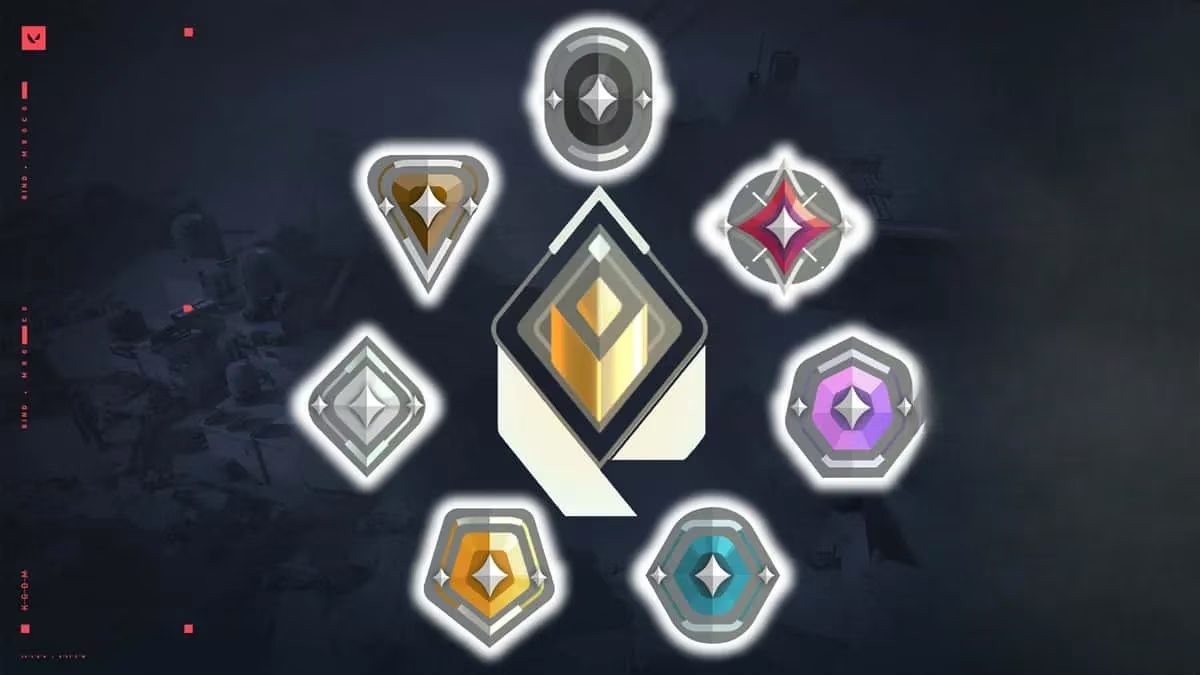
The Ladder, From Iron to Radiant
The climb goes like this: Iron 1–3, Bronze 1–3, Silver 1–3, Gold 1–3, Platinum 1–3, Diamond 1–3, Ascendant 1–3, Immortal 1–3, and finally Radiant. Every tier except Radiant has three sub-ranks, and Radiant is the top pond where the real ranked demons swim. Ascendant sits between Diamond and Immortal, and it has become the classic gatekeeper for players who have the aim but not the mental. I have seen more egos break in Ascendant than in any other bracket. It is the “almost there” rank, and it hurts.
The 2024 Snapshot That Still Haunts My Queue
The cleanest public rank distribution snapshot I have from the reference era is from August 2024, and I still use it as a vibe check in 2026. Riot may move the goalposts, but this table tells you where the player base actually sits. Spoiler: Silver and Bronze are the big pools, and Radiant is basically a myth.
| Rank | Share of players |
|---|---|
| Iron | 8.8% |
| Bronze | 21.6% |
| Silver | 25% |
| Gold | 20.3% |
| Platinum | 12.8% |
| Diamond | 7.9% |
| Ascendant | 3% |
| Immortal | 0.5% |
| Radiant | 0.026% |
That Radiant number is the reason I laugh when someone says they are “basically Radiant.” No, my friend, you are basically Silver with confidence. The distribution also explains why Gold and Platinum lobbies feel so sweaty: there are a lot of players packed around the middle, all fighting for the same inch of rank. In 2026, treat these numbers as a benchmark, not gospel—Riot can shift the curve, but the shape of the grind is familiar.
Act Rank: The Badge That Snitches on Your Progress
Act Rank is the secondary badge on your player card, and it is basically a little snitch that tracks your highest-ranked wins across an Act. You will see a hollow triangular badge, and it fills with tiny triangles as you progress. I love it because it gives me a longer-term read on my form. A single bad night can tank my current RR, but my Act Rank still shows the truth: I have been winning in Platinum, even if I am currently sitting in Gold and questioning my life choices.
Act Rank also decides your end-of-Act rewards, and it is led by your highest win. That means if you spend most of the Act in Silver but sneak one win in Platinum 1, you get the Platinum reward. Yes, it is a bit cheeky. Yes, I have absolutely queued with friends just to chase that one shiny win. GGs to the system for rewarding the hustle.
MMR: The Hidden Boss of Ranked
MMR is the invisible matchmaking rating that decides how much RR you gain or lose. It is the hidden boss of Valorant ranked, and it does not care about your feelings. Here is the simple version I keep taped to my monitor:
-
If your MMR is higher than your current rank, you gain more RR on wins than you lose on losses. The system thinks you belong higher, so it gives you a boost.
-
If your MMR matches your current rank, your gains and losses are closer to even. This is the “you are where you are” zone.
-
If your MMR is lower than your current rank, you gain less RR on wins and lose more on losses. The system is gently, or not so gently, telling you to prove it.
The only way to raise MMR is to outperform opponents and win matches. There is no secret menu, no crosshair magic, and no amount of queue dodging that fixes a hidden rating. I learned this the hard way after a tilt queue where I went 3–7 and wondered why my RR was leaking. The answer was simple: my MMR was lower than my rank, and the system was not impressed.
Queue Rules That Keep the Sweaties Honest
You need to reach level 20 in Competitive Mode to unlock ranked, and there are group restrictions to keep matches from turning into a circus. Groups of four are not allowed, because solo players get caught in the crossfire. Players at Immortal 1 and above can only solo, duo, or 5-stack. Groups of two or three must stay within the rank disparity requirements, tied to the lowest-ranking player on the team. The highest-ranked player can only be up to one or two ranks above the lowest.
Five-stacks have their own chaos tax. Groups of five do not have to follow the same disparity chart, but they can receive RR penalties if the ranks are too spread out. Here is the rough rulebook:
| Full-group situation | RR effect |
|---|---|
| Every teammate is Ascendant 3 or below, but someone is outside the allowed chart | 25% RR reduction |
| One or more teammates are Immortal 1 to Immortal 3 | 25% RR reduction |
| One or more teammates are Radiant | 75% RR reduction |
| Any teammate is below Radiant | Potential RR reduced by 90% |
That last one is the classic “my friend just hit Radiant and now our lobby is a zoo” penalty. I have been on both sides of it. It is humbling.
Placements, Acts, and the 2026 Grindset
An Act is a competitive period inside an Episode, and an Episode has three Acts. Each Act usually runs for about two months and includes around four or five patches. When a new Episode begins, everyone plays five placement matches to get a starting rank, and Ascendant 1 is the highest you can place. In Act 2 or Act 3, one placement match is enough to get your rank. The Episode 9 COLLISION Act 1 started on June 25, 2024, and Act 2 was set for August 27, 2024—that was the old cadence, but the lesson still applies in 2026: the seasonal reset is not a full wipe, it is a soft nudge, and your MMR remembers everything.
My 2026 ranked checklist is simple:
-
🎯 Warm up with aim training before ranked, not after two losses.
-
🧠 VOD-review one close loss per session. Ego is expensive; information is cheap.
-
🗣️ Use comms, but do not tilt your team with a lecture. Nobody clutches harder after a TED Talk.
-
🚫 Do not queue angry. Tilt queue is how a good night becomes a rank-down speedrun.
-
📈 Track your Act Rank, not just your current RR. The long game is the real game.
The road to the top is still hard, and that is why it feels so good when the badge finally flips. Whether you are hard stuck in Silver or sniffing Ascendant, the system is not out to get you—it is just doing its hidden math. Play the long game, keep your mental clean, and remember: one win in Platinum can still pay the reward bills. GGs, and good luck in your next queue.
Comments