Tejo in Valorant: The 2025 Initiator That Still Sparks Balance Debates
Tejo's Valorant debut redefined initiator design, with Guided Salvo's punishing damage sparking debate over power and counterplay.
Tejo arrived in Valorant as Agent 27 with the kind of entrance that immediately reshaped conversations about initiator design. Armed with ballistics, gadgets, and a striking visual identity, the Colombian agent was presented as a calculated killer capable of grinding opponents to ash. Looking back from 2026, Tejo is no longer a fresh arrival, but the debate surrounding his release window remains a useful case study in how Valorant players, coaches, and developers discuss power, utility, and counterplay. His kit blended elements associated with Breach, Brimstone, and Sova, giving him both damage and recon tools while also introducing a targeting system that felt familiar yet dangerously efficient.
A Kit That Demanded Attention
Tejo's release kit opened with a Stealth Drone and a Special Delivery grenade, creating a balanced initiator foundation built around information gathering and area pressure. Those tools alone gave him a recognizable identity, but the Guided Salvo quickly became the center of the discussion. The targeting system allowed rockets to be placed in a manner comparable to Clove smoke placement, except that the result was not a cloud of cover. Instead, rockets rained onto the selected area, dealing 70 damage every 0.5 seconds for a maximum of three ticks. That damage profile forced enemies to move immediately or risk being erased.
| Tool | Role | Release-window impact |
|---|---|---|
| Stealth Drone | Recon and information gathering | Supported coordinated entries and utility usage |
| Special Delivery | Grenade-based area pressure | Added damage and displacement potential |
| Guided Salvo | Placeable rocket barrage | 70 damage every 0.5 seconds, up to three ticks |
| Ultimate | Rolling area denial | 60 damage every 0.25 seconds |
🎯 The Guided Salvo was not merely a zoning tool. It was a punishment tool. Players who remained inside the barrage for all three ticks faced severe consequences, and the ability's placement flexibility made it difficult to ignore. The ultimate added another layer of pressure, rolling through the map in a manner reminiscent of Fade's ultimate while obliterating anyone caught in its path. Its damage output was especially unforgiving: 60 damage every 0.25 seconds meant that roughly one second inside the effect could be fatal.
TenZ Highlights the Danger
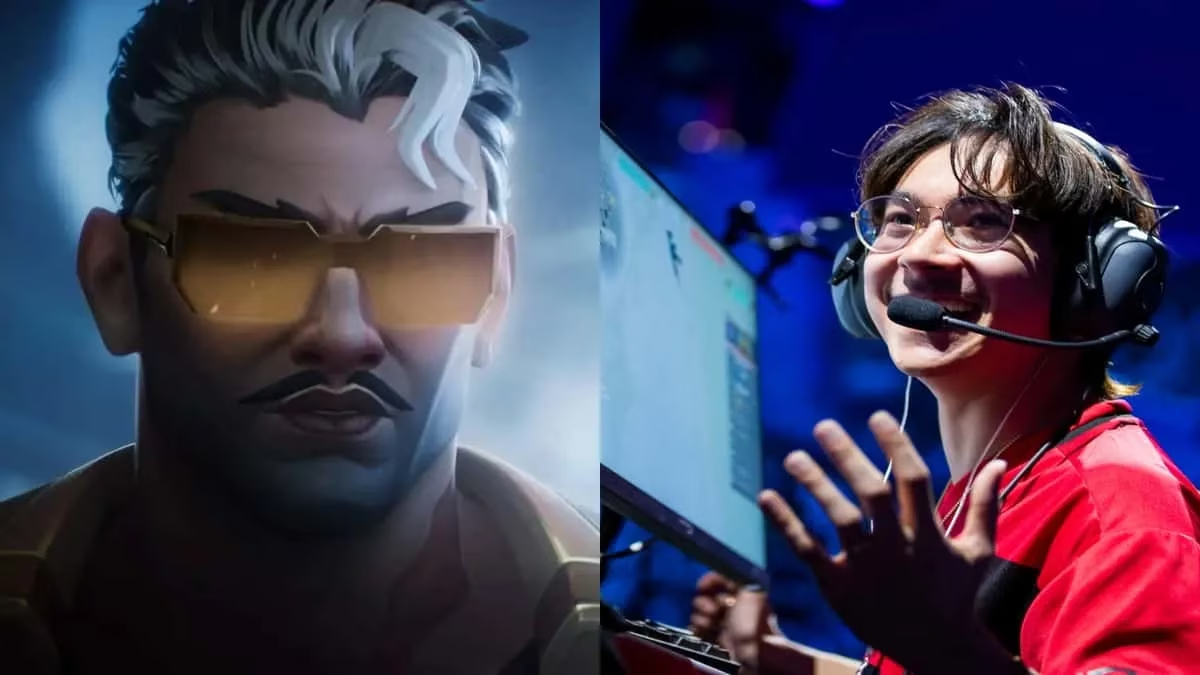
Valorant legend Tyson 'TenZ' Ngo demonstrated the abilities on stream and underlined how punishing the Guided Salvo could be. His warning was blunt: remaining inside the barrage for three ticks was effectively a death sentence. The message was simple and practical: do not stand in it. That kind of reaction from a high-profile professional helped amplify broader concerns that Tejo's damage windows were too oppressive during his launch period.
💥 The concern was not limited to casual matchmaking. Former Fnatic coach Martin 'Anderzz' Schelasin stated on X that Tejo needed nerfs, adding that top coaches and analysts appeared to share a unanimous opinion that the design had gone off the deep end. That level of criticism from respected figures gave the balance debate additional weight. It was no longer just a matter of players struggling against a new agent; it became a question of whether Tejo's utility could overwhelm established competitive structures.
The Community's Core Complaint
On Reddit, fans also called for changes. A post titled 'Tejo needs a serious nerf' captured a specific frustration: the missiles were viewed as the problematic ability. The argument was that no agent should be able to destroy so much utility for free. The suggested fixes focused on either limiting that destruction or reducing damage to placeable utility so that a single player could not safely destroy a lockdown from a position of security. This complaint highlighted a recurring tension in Valorant: when an initiator can clear or destroy defensive setups too efficiently, the strategic cost of using utility begins to collapse.
⚠️ Observers also pointed to Riot's past reluctance to make quick adjustments to strong kits, with Neon cited as a notable example. At the time, many expected Riot to stand firm on Tejo and watch how he performed during the VCT Kickoff events that followed his launch. The competitive environment would test whether his utility was merely frustrating in ranked play or genuinely disruptive at the highest level.
Riot Responds to Design Speculation
Some theorists claimed that Tejo was intentionally strong by design so that players would invest in the game and whichever cosmetics accompanied the agent. Riot Games developer Ryan Cousart quickly rejected that idea. Referencing his experience working on Yoru's design, Cousart assured players that agents are not released in a broken state by design. He described Tejo as a tough cookie to balance but suggested that the team had landed on a version expected to feel oppressive early while still testing both ally and enemy usage of his utility.
That response was important because it framed Tejo's release as a balance challenge rather than a cynical marketing decision. Yoru himself had left some players underwhelmed upon release and required multiple reworks before reaching a more competitive state. The comparison underscored how difficult it can be to predict an agent's long-term place in Valorant's ecosystem.
A Loud Entry With Lasting Lessons
By 2026, Tejo's debut can be viewed as a loud entry into Valorant, one that blew opponents away in patch 10.00 and left a lasting impression on discussions about initiator utility. His mix of recon, area denial, and high damage forced players to rethink positioning and utility usage. The release-window controversy also demonstrated how quickly the community can identify abilities that feel unfair, especially when those abilities combine flexible placement with relentless damage. For players revisiting Tejo in 2026, studying professional crosshair setups, including TenZ's crosshair codes, can complement a deeper understanding of how his utility shapes engagements. Ultimately, Tejo remains a memorable example of an agent whose launch sparked debate before the meta could fully settle.
Comments