CS2 Players Mock Valorant's Aperture Knife in 2026 Retrospective
Valorant's Aperture bundle and CS2's Stiletto knife fueled a skin pricing and community pride debate over copies, resale value, and affordability.
Back in 2024, a small cosmetic release turned into a familiar internet argument. Riot Games added the Aperture bundle to Valorant, and its melee weapon looked a lot like the Stiletto knife that Counter-Strike players had known since CS:GO. CS2 fans noticed quickly. By 2026, the episode still works as a neat case study in how two shooters handle skins, pricing, and community pride. It also shows why cosmetic debates rarely stay about cosmetics for long.
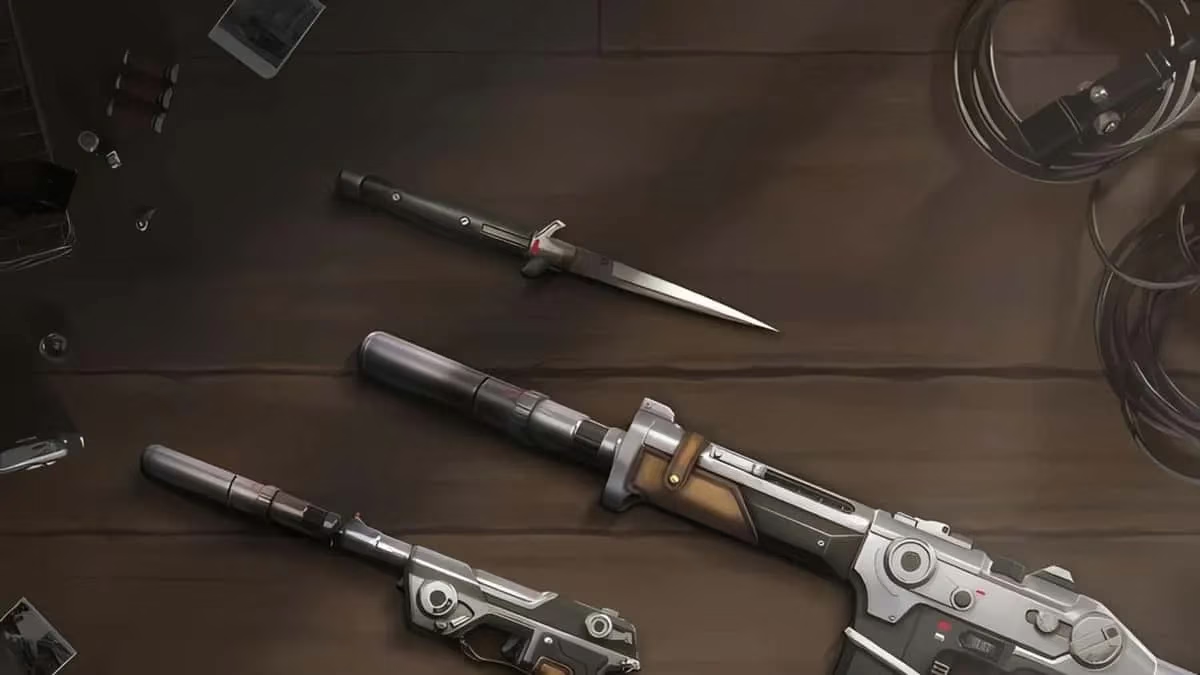
At the center of the fuss was a folding Italian-style blade. In Counter-Strike, the Stiletto is not just a familiar shape; it is a market item with real resale value. Depending on rarity and finish, a Stiletto-style knife can cost $300 or more, and rare versions can climb into the thousands. That detail became the hook for the mockery. CS2 players argued that Valorant had copied a design that Valve's community had been trading for years, then sold it in a closed ecosystem where the money does not come back unless someone sells the whole account. One social media post summed up the mood by calling it another case of copying CS and reminding Valorant fans that the CS knife can be resold. The post was smug, but it captured the core complaint.
Valorant fans did not roll over. Their response was simpler: the Aperture melee looked clean, modern, and affordable. The full bundle landed around $50, while the knife alone was priced under $35. For many players, that was the whole point. A Valorant player could buy a polished real-world-inspired skin for a fraction of the price of a rare CS2 knife and never think about float values, trade holds, or third-party markets. One social media account fired back that the Valorant version looked better than an expensive CS2 finish and was available to normal players. The reply was part defense, part jab, and entirely in keeping with the rivalry.
Then came the quieter critique from inside Valorant's own community. Some players called the Aperture bundle basic. That reaction matters because it shows the argument was never one-sided. CS2 fans saw a copy; Valorant fans saw a reasonably priced option; and some Valorant players saw a skin line that played it safe. The bundle was one of the few Riot releases designed to resemble a real-world weapon, which made the comparison unavoidable. Valorant usually leans into fantasy, with weapons that fire foam darts or melee skins shaped like axes and katanas. A realistic folding knife stood out, and not everyone thought standing out was the same as standing above.
| Point of comparison | CS2 Stiletto-style knife | Valorant Aperture melee |
|---|---|---|
| Design inspiration | Italian-style folding blade | Real-world-inspired folding blade |
| Market model | Open player market | In-game store, account-bound |
| Typical price | $300+; rare versions can reach thousands | Bundle around $50; knife under $35 |
| Resale | Can be resold as an item | Not sold individually; account sale is the only workaround |
| Community take | Familiar, valuable, sometimes ugly | Clean, affordable, sometimes basic |
By 2026, the Aperture bundle is no longer a fresh release, but the debate has not lost its shape. The same questions come up whenever a shooter adds a knife, a finish, or a limited-time bundle. Is the skin original? Is the price fair? Does the item hold value? And which community gets to claim the design first? The CS2 side has history and a player-driven economy. The Valorant side has accessibility and a much lower barrier to entry. Neither answer fully wins.
💡 The practical lesson is simple. CS2 players value ownership and scarcity. Valorant players often value style and a predictable price. A skin can look similar in both games and still mean something completely different to the people buying it. That is why the Aperture knife mockery landed: it was not really about a blade. It was about two different ideas of what a cosmetic is worth.
🎮 In the end, the 2024 spat remains a useful snapshot. CS2 players got to tease Valorant for borrowing a silhouette. Valorant players got to point at a cheaper price tag. And both communities got another round in a rivalry that seems to restart every time a new knife appears. The Aperture bundle may have been basic to some, but the argument around it was anything but.
Comments